Overview: The Serengeti Year-Round
The Serengeti National Park in Tanzania is one of the world's greatest wildlife destinations — and the good news is that it rewards visitors in every single month of the year. With 14,763 square kilometres of diverse savannah ecosystem, there is always something extraordinary happening on the Serengeti, regardless of when you visit.
The Dry Season: June to October (Peak Safari Time)
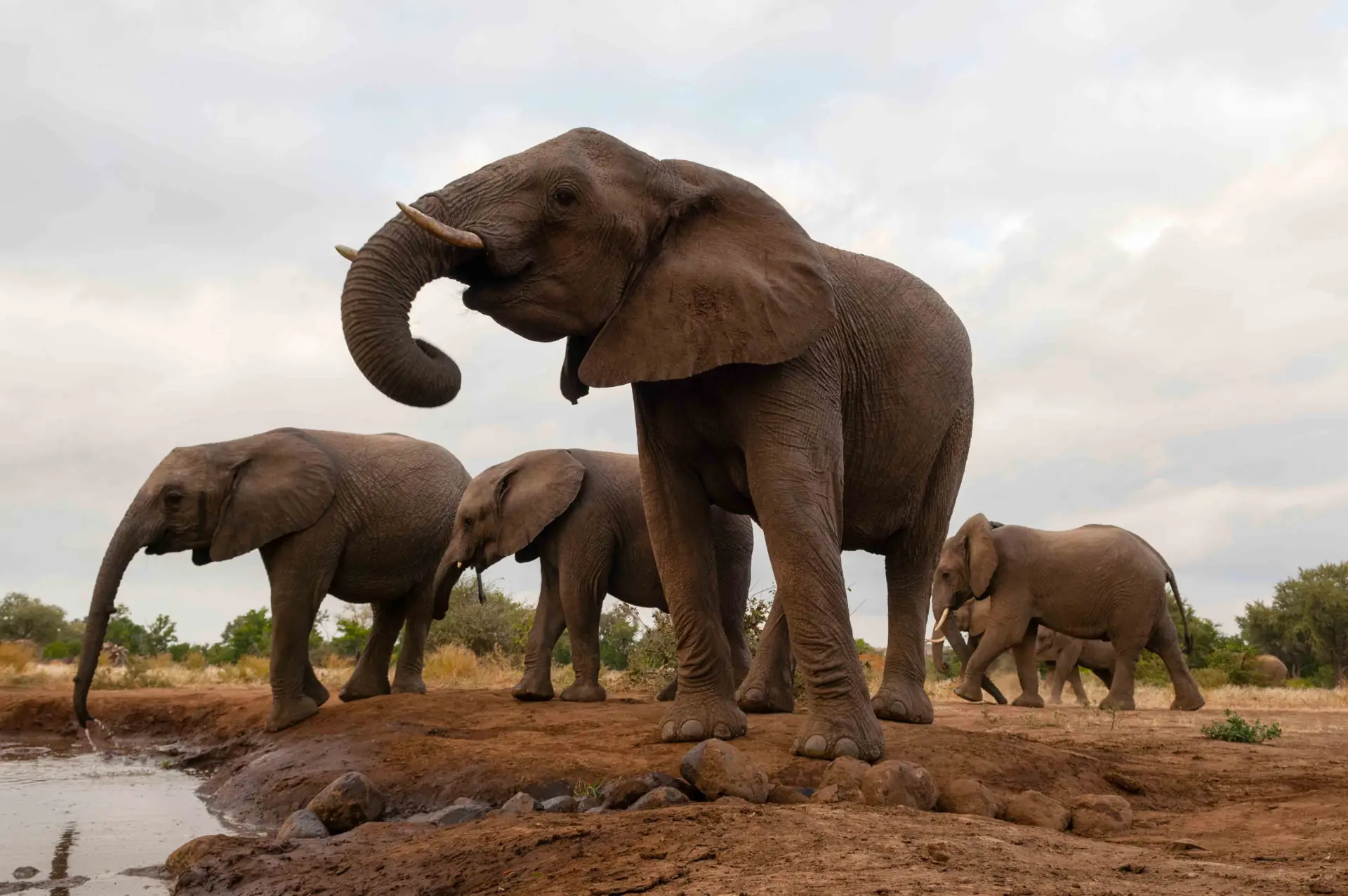
June through October is Tanzania's dry season and widely considered the best time for classic game viewing. Vegetation thins out significantly, water sources reduce to a few key rivers and waterholes, and animals are forced to congregate in predictable locations — making sightings more frequent, more dramatic, and closer.
Month-by-Month Serengeti Guide
A detailed look at what happens each month.
- January–February
- Southern Serengeti & Ndutu. Wildebeest calving season — 8,000 calves born daily attracting enormous predator concentrations.
- March–May
- Long rains. Lush, green landscapes. Fewer tourists. Excellent birdwatching with migratory species. Migration moves north through the Western Corridor.
- June–July
- Dry season begins. Migration in the Central and Northern Serengeti. River crossings begin at the Grumeti and Mara rivers.
- August–September
- Peak crossing season at Mara River (Northern Serengeti / Kogatende). Best big cat sightings anywhere in Africa.
- October
- Migration moves south. Excellent game viewing with fewer crowds. Short rains begin late October.
- November–December
- Short rains (brief). Migration returns south toward Ndutu. Green and beautiful. Resident wildlife everywhere.
Which Serengeti Zone Should You Visit?
The Serengeti is divided into distinct zones, each offering a different experience. The Central Serengeti (Seronera) is the best year-round option — home to resident lion prides, leopards in fig trees, and year-round wildlife density. The Northern Serengeti (Kogatende) is essential for July to October migration crossings. The Southern Serengeti and Ndutu plains are unmissable from December to March for calving season.
Planning Your Serengeti Safari with Lucky Wild Safaris
At Lucky Wild Safaris, we design Serengeti itineraries built around the specific experiences you want most. Whether you want to witness the Mara River crossings, photograph the calving season golden hour, or simply enjoy the Serengeti's year-round wildlife abundance, we'll match your travel dates to the right zone and experience.
Questions from the notebook
What is the best month to see lions in the Serengeti?
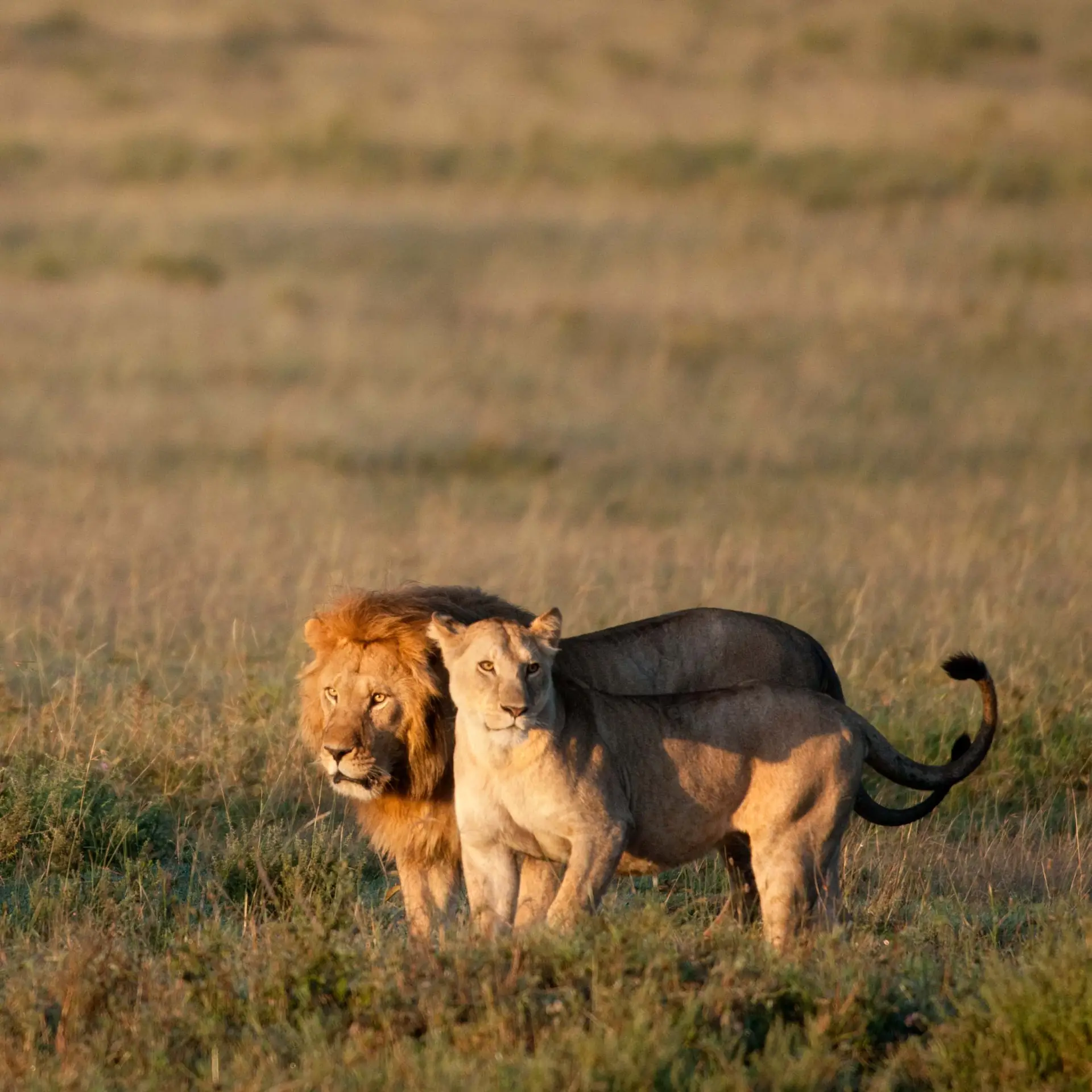
Lions are resident year-round in the Central Serengeti. However, June to October offers the best sightings as they hunt more actively around waterholes.
Is the Serengeti worth visiting in the rainy season?
Yes. The green season (November to May) offers lush landscapes, fewer tourists, lower prices, excellent birdwatching, and the spectacular calving season (January–March).
How long should I spend in the Serengeti?
We recommend a minimum of 2 nights to experience the Serengeti properly. 3–4 nights is ideal to explore multiple zones.
TAKE THE NEXT STEP
What would this look like for you?
Bring your questions to our Arusha team. We’ll help you turn the reading into a route, with the practical details written down.
Start your safari notebook Ask us on WhatsApp